By Mia Hendy
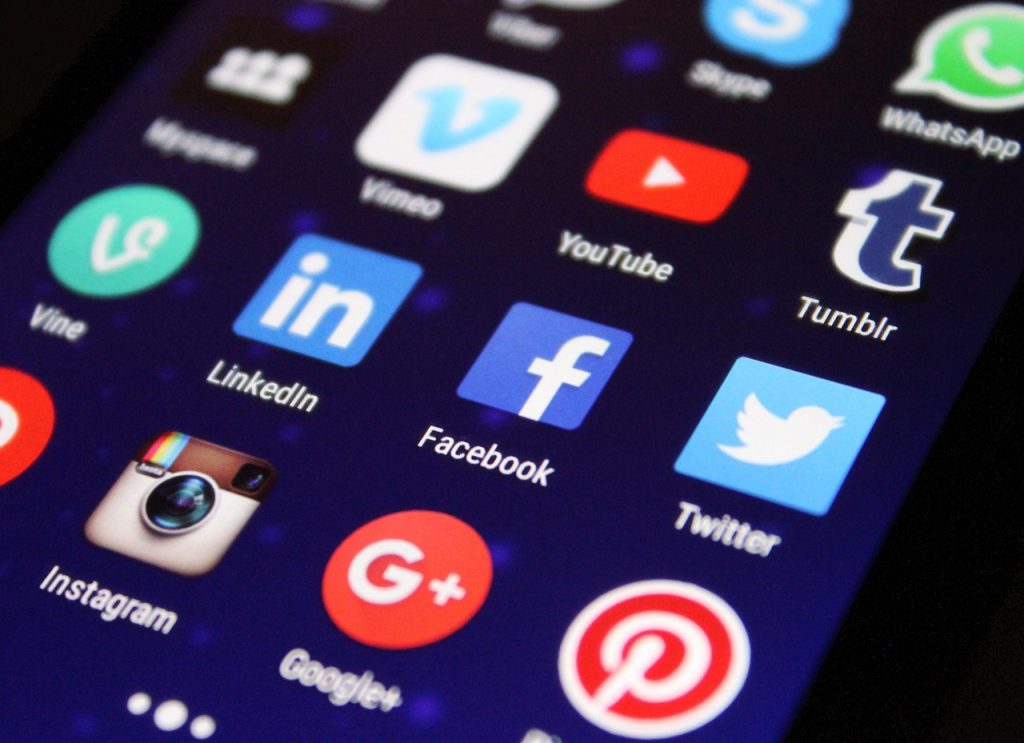
Since the public launch of the World Wide Web in 1991, internet usage has grown exponentially – from 4.3 million users in 1991 to 5.6 billion users in 2025. With the growth of the internet in the early 2000s, social media platforms, like Myspace and Facebook, were introduced for online users to connect with each other via messaging and posting photos. Today, more than half the global population is connected with 63.9% of people on social media as of 2025. However, as the presence of social media continues to grow, many have noticed a decrease in media literacy in the digital age. This becomes an issue with how easy it can be to spread misinformation on social media.
Social media has become a part of everyday life for many people. It is not uncommon for platforms like TikTok, Snapchat, and Instagram to be the first apps someone checks when they wake up in the morning. As social media has become a routine part of daily life, more and more accounts have been created and used to spread false and skewed information to other users online. It is much easier to spread misinformation on social media platforms because it is easier to generate and post content that will reach a larger audience.
More recently, the introduction of artificial intelligence (AI) has also heavily impacted how social media users interact with content online. AI use online has increased the ability to spread false information because it is much easier to create content that realistically warps reality for viewers. In a 2025 survey conducted by Statista, they found that roughly 70% of people surveyed struggle to trust information posted online because they don’t know if it is generated by AI.
As the digital world continues to evolve, being able to recognize misleading information is a crucial skill to possess. By reviewing the source of information, identifying the author and seeking alternative viewpoints, it can be much easier to notice when a post is spreading false information.
Today, misinformation and disinformation are found on many social media platforms and can be incredibly harmful to users. While misinformation is unintentional, disinformation is purposely designed to distort viewers’ perspectives. Categorizing accurate and inaccurate information is a valuable skill to have in the digital era. Because it is not always obvious when a post contains false information, it is important to increase media literacy skills in the digital age to combat the spread of misinformation online.
Mia Hendy is a junior studying professional and public writing. When she is not hanging out with her friends, you can find her scrolling through social media.