By Alayna VanDoeselaar
If you’ve been keeping up with new media recently, or if you’ve seen ads for various new movies or shows coming out, you might realize that there seems to be a trend of releasing reboots and remakes of stories already told. Theaters and streaming services were filled with remakes in 2025, and still in 2026, the roster of movies is overwhelmingly familiar. It could be said that Hollywood is losing originality, but what is really going on behind the perfectly set and lighted scenes?
It’s no secret that there have been many new movies, as well as TV shows, that are either extensions of an already-loved universe or a retelling of something already made. Just in 2025, a new rendition of “Frankenstein” hit the theaters, ten episodes of “IT: Welcome to Derry” contributed to the Stephen King universe, while “The Conjuring: Last Rites” and “Jurassic World: Rebirth” added to well known and loved franchises. On top of that, “M3GAN” got a second movie, as well as “Five Nights at Freddy’s” and “Black Phone.” It seems that Hollywood is just pumping out reheated ideas instead of creating something new.
If movies are not what they used to be, perhaps it’s because the audience isn’t what it used to be either. New media is at the tips of everyone’s fingers with streaming services and social media platforms, so there is almost no reason to buy a DVD or go to the movies. On top of that, current viewers’ social media feeds are being flooded with distressing news much more often, which makes people turn to escapism, wanting to enter a more comfortable world with familiar characters and storylines to distract from the noise. We can’t help but be infiltrated with a sort of nostalgia, longing for easier and better times, even in the media we consume.
Since viewers are often more comfortable in familiar universes, which are easily accessible through streaming, viewers are able to spend less money on their movies and TV shows. In turn, production companies are struggling to make original content that makes enough money to be a success, so they just play it safe and feed audiences that have already been formed. People know that a new Avengers or Jurassic Park movie will be worth the time and money in theaters, or they’ll opt to subscribe to one of the many streaming services that takes it after its premiere. Remaking or adding to universes that already exist seems to be the best bet on making a profit.
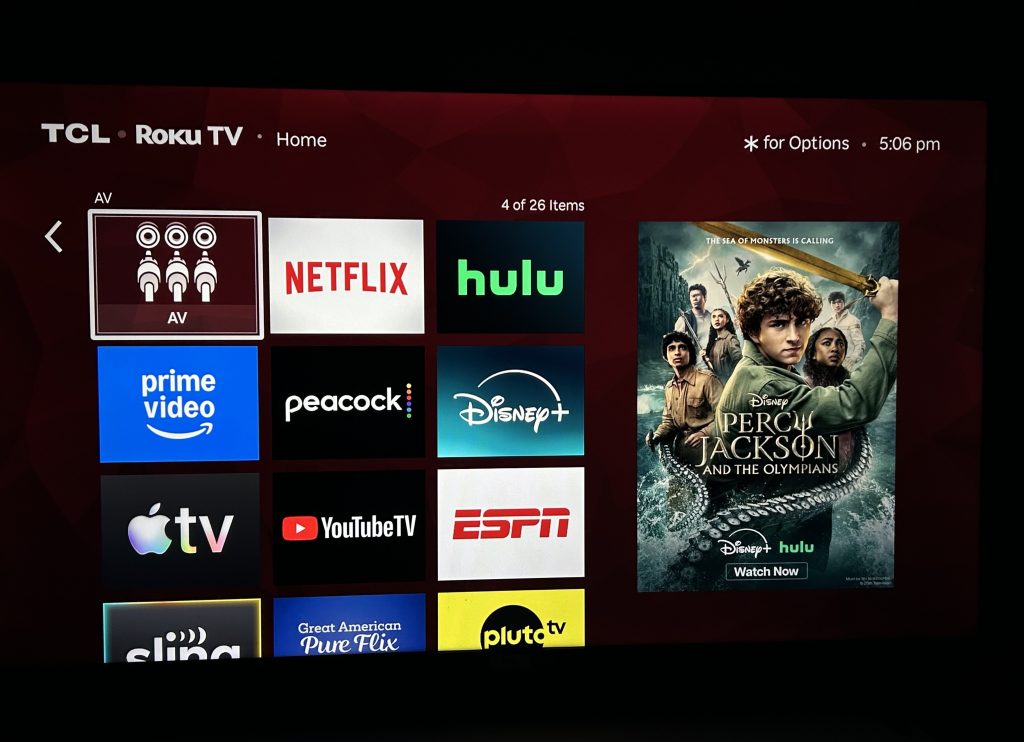
On top of that, we no longer pay for one or two streaming services that provide movies and shows — there are multiple, one for each production company, it seems. This expanding market opportunity encourages companies such as Paramount and even Hallmark to make their own platform, raking in more money for themselves instead of letting Netflix house their movies. The increasing amount of streaming services forces the consumer to spend more money, hoping to have access to all of their favorite shows and movies that are spread out across platforms. It seems that streaming services were a better idea when there were only a few of them. It’s becoming like cable TV again, forcing you to buy multiple services to get the few things you actually want to see.
Although streaming services have taken over the way audiences consume movies and TV shows, there could be some benefits that arise. Steve Garnelli, an expert in the realm of pop culture and a professor at Northeastern University, told the Northeastern Global News that streaming services “aren’t picky about the origins of their content,” meaning that they are more open to original ideas or interesting moves. The sensational “Stranger Things” series was an original story pitched to Netflix after being rejected by other traditional studios. Because Netflix decided to take on the risky project, subscribers could be marketed to and easily watch the series. After the show got popular from Netflix, interested consumers could subscribe for a fee and see the original story for themselves. This pattern is true for other original ideas, such as the movies “KPop Demon Hunters” and “I’m Thinking Of Ending Things,” both on Netflix.
With that being said, I must mention that Netflix is acquiring Warner Bros, a 100-year-old company dedicated to producing classic movies and shows. This is no doubt a shocking development, as a giant in the film industry has suddenly been gobbled whole. How will the legacy of Warner Bros and the strategy of Netflix come together? Will it just raise our prices and funnel more money to Netflix? Or could it be possible that streaming and traditional production can combine to give us the best, new, original movies and shows?
While people are increasingly aware of the implications of streaming services and how they could evolve, it’s important to remember the benefits. So far, Netflix has produced and promoted some great original content, but what does their deal with Warner Bros mean for how we consume these movies and shows? Streaming services are doing well as they are now, but we should be thinking about how these new platforms can propel our art into the future. There could be much more original and amazing content, and if audiences demand that, it will happen. This could be as simple as browsing through your streaming platforms and picking something intriguing that you’ve never seen before. Who knows, you might end up with a new favorite movie, or you may help give producers the push they need to finally promote more original ideas.